Recycling and Sustainability for Landscapers Spitalfields
 Landscapers Spitalfields is built around a simple idea: beautiful outdoor spaces should not create avoidable waste. Our approach to eco-friendly waste disposal area services and a sustainable rubbish area model helps gardens, courtyards, communal grounds, and commercial landscapes stay tidy while reducing the amount of material sent to landfill. We plan every clearance with reuse, recycling, and responsible sorting in mind, so organic matter, hard landscaping offcuts, and general green waste are handled in the most sustainable way possible.
As a local landscaping service, we recognise that sustainability is not just about the final look of a site. It is also about what happens to the waste created during maintenance, pruning, turf replacement, planting upgrades, and seasonal tidy-ups. Landscapers Spitalfields works with a recycling-first mindset, separating suitable materials at source and prioritising recovery routes that support the wider circular economy. This includes careful sorting of wood, soil, plant matter, metal fixtures, plastics, and inert rubble where possible.
 We aim for a recycling percentage target of 85% across relevant landscaping waste streams, with the long-term goal of improving this figure as local facilities and reuse partnerships expand. Achieving that target means more than simply collecting waste; it means identifying what can be composted, chipped, repurposed, donated, or processed through specialist facilities. For landscaping projects in and around Spitalfields, that can include everything from hedge cuttings and leaf litter to broken pots, timber edging, and leftover aggregate.
One of the most important parts of our sustainability approach is careful routing to local transfer stations that can sort and direct materials efficiently. By choosing nearby facilities rather than long-haul disposal routes, we reduce transport emissions and support a lower-impact service. For clients in the area, this can mean waste is taken through East London transfer points and borough-supported recovery systems that are designed to separate recyclable fractions from residual waste. These local chains help keep material in productive use for longer.
We also stay mindful of the way nearby boroughs approach waste separation. In practice, that means looking at how mixed green waste, clean timber, soil, cardboard packaging, and metal components can be split into streams that match local processing standards. In many parts of London, borough-led systems encourage residents and businesses to keep recyclables cleaner and more distinct, and we apply that same logic to landscaping work. The result is better recovery rates and fewer materials downgraded to disposal.
Landscapers Spitalfields is especially focused on the sustainable handling of plant-based waste. Green cuttings can often be chipped for mulch, composted, or directed into organic recycling routes where available. Soil and turf from site changes may be screened and reused where appropriate, while uncontaminated hard waste such as stone or brick fragments can be assessed for reuse or inert recycling. This careful separation is central to our sustainable rubbish area process, because the right material in the right stream has the best chance of being recovered.
 A key part of our sustainability commitment is working with charities and community reuse organisations. Where suitable, good-quality planters, garden furniture, decorative stone, surplus compost bags, and usable outdoor items may be set aside for donation rather than discarded. Partnerships with local charities can give a second life to materials that still have value, helping community gardens, schools, and neighbourhood projects while also reducing waste volumes. This reuse-led thinking is especially important in a busy area where renovations often produce items that are still functional.
Our team also uses low-carbon vans to keep collections as efficient as possible. Cleaner vehicles with improved fuel performance and reduced emissions help lower the footprint of each landscaping job. Combining route planning with compact loading practices means fewer journeys are needed, which is particularly helpful in central and inner-London settings where congestion, idling, and stop-start driving can increase emissions. Sustainability is not only about what we recycle; it is also about how we move it.
In the broader waste strategy, we aim to keep landfill use to an absolute minimum. Materials such as clean wood can be sent for recycling or biomass recovery, while untreated garden waste can enter composting or organics processing. Packaging from planting supplies is separated where feasible, and reusable containers may be returned to suppliers or saved for future projects. This layered approach helps eco-friendly waste disposal area operations remain practical, measurable, and consistent across different project sizes.
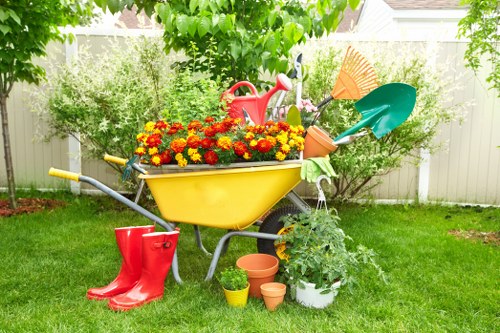 For sites with more complex waste profiles, we assess each load to identify what can be recovered before any final disposal decisions are made. That can include separating wire, plastic pots, soil-filled sacks, and leftover construction material from landscaping works. Because landscaping often sits at the intersection of gardening and light building activity, good waste management is essential. By keeping an eye on recyclable content from the start, Landscapers Spitalfields supports cleaner outcomes and more responsible material handling throughout every phase of the job.
We also recognise the role of seasonal work in shaping waste patterns. Autumn leaf clearance, spring planting, summer pruning, and winter site maintenance each create different types of material, so our recycling process adapts accordingly. Leaf litter and soft green waste can be handled differently from stump debris or broken paving remnants, and this flexibility helps us match local recovery options more accurately. In a dense urban setting, that adaptability is part of what makes sustainable landscaping effective.
Ultimately, our recycling and sustainability page reflects a commitment to practical environmental action. Through a strong recycling target, local transfer stations, charity partnerships, low-carbon vans, and careful waste separation, we aim to keep the landscaping cycle cleaner from start to finish. Whether the job is a small courtyard refresh or a larger grounds maintenance project, our goal is to minimise waste, maximise reuse, and deliver a greener outcome for Spitalfields and the surrounding area.
 Sustainable rubbish area planning is part of every project we manage, and it shapes how we sort, store, and remove waste at the point of generation. By creating clear separation zones for green waste, recyclable hard materials, and reusable items, we make it easier to send each fraction to the most appropriate destination. This practical, eco-conscious method helps Landscapers Spitalfields support cleaner streets, healthier gardens, and a more resilient local environment.

